By: Anna Herman
What is the easiest way to communicate with someone who does not live close? What probably came to your mind was to pick up your phone and make a call. But, what if that was not an option? Up until recently, that was a reality in Africa. In Emerging Africa: How 17 Countries Are Leading the Way, Steven Radelet discusses how the lack of means to communicate hindered Africa’s progress. However, the recent technological advancements have been a game changer. It is amazing how these innovations fuel entrepreneurship and subsequently financial security for families.
The meaning of “Cheetah” that Radelet refers to Africa’s next generation of leaders that are “quietly and quickly to move into Africa’s government bureaucracies, civil society organizations, and business” and will be guiding the future of the countries that are a part of the continent. This group does not appear a certain way, as the individuals are not defined by gender, education, or location. They can be labeled as individuals who want to see change and they are calling for transparency, good governance, respect for human rights, and accountability.
The “Big Man” or “hippo generation” is a term that refers to the old, slow moving generation that complains about colonialism and imperialism. Radelet explains that these undesirable characteristics were extremely prominent in the first group of postcolonial presidents and prime ministers that rose to power from leadership positions and were only capable of fighting the colonial government rather than legislating. Ultimately, they were incapable of making a change in democracy.
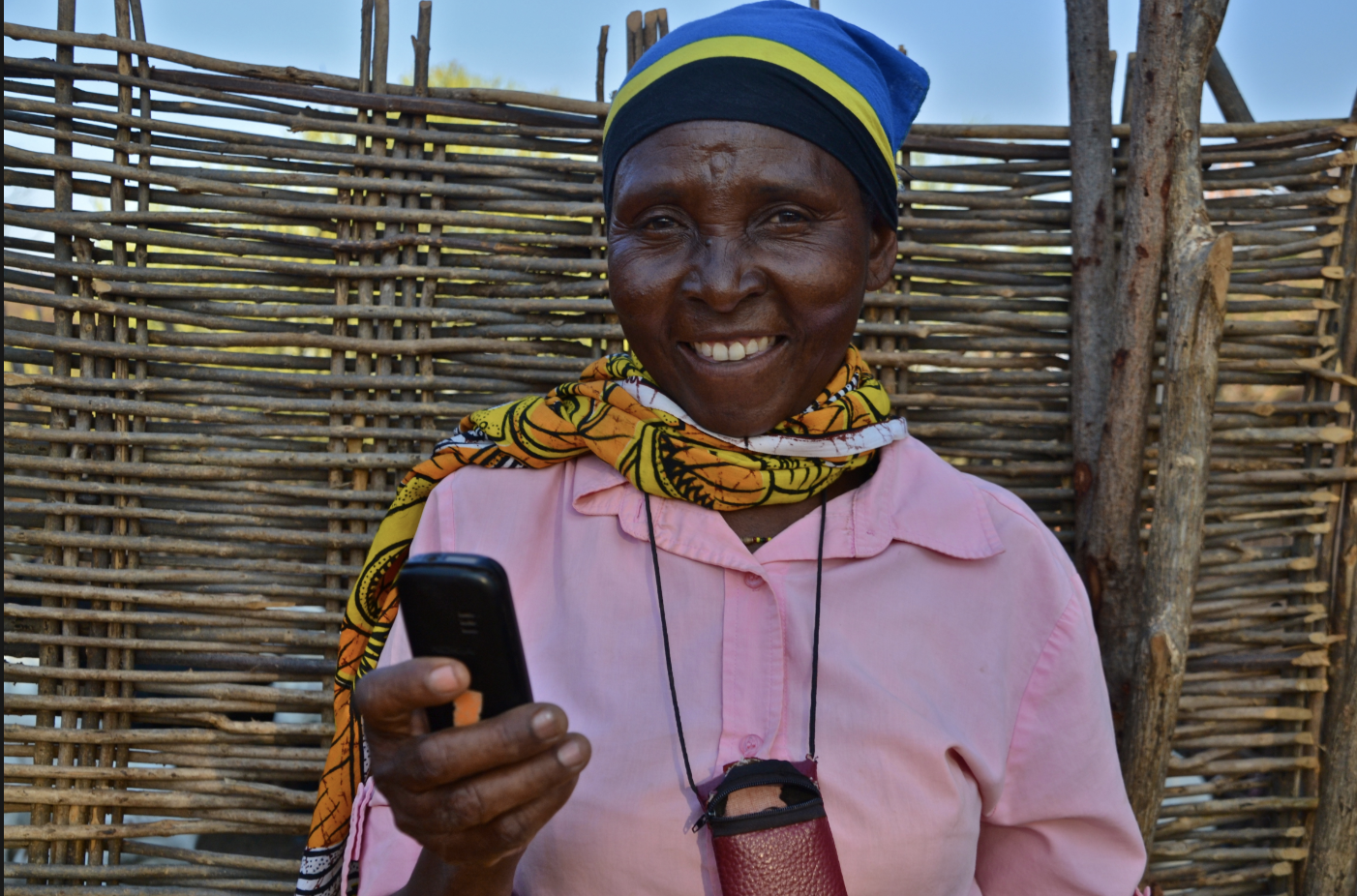
Radelet’s positive view in Chapter 6 on the African information and communications (ICT) explosion is not completely valid and sustainable. This is because he contributes ICT as being a miracle in disseminating information on diseases that have been notorious in Africa, such as HIV/AIDS. Does the African ICT effectively reach and educate people? Probably more than before, but he noticeably dismisses that HIV/AIDS has been around for decades. Therefore, individuals living in areas heavily impacted for such a long period of time probably have some knowledge of the diseases. Even getting reminders about appointments is helpful, but I do not think the African ICT is the difference between life and death that Radelet’s context suggest that it is.
Similarly, in the way that Radelet discusses the medical advances offered by African ICT, I do not believe that the African ICT is the key piece of strengthening democracy. Earlier in class, we read about how the rising democracy is the framework of Africa’s advancements. But, attributing African ICT as such a prominent factor to the assembly of their government is simply unrealistic. SMS text messages are incapable of changing the structure of a government, especially if might not always have reliable information. Overall, I have no doubt that the African ICT explosion has helped the population with progressing, but it is certainly not the end all, be all for the obstacles the countries have overcome.
Banarjee and Duflo’s chapter in Poor Economics explains that it is extremely possible to get trapped in poverty. The book refers to “poverty traps” or countries that face extreme poverty due to their environment that often has undesirable conditions and diseases. Furthermore, the text explains how they struggle geographically, as they are often landlocked.
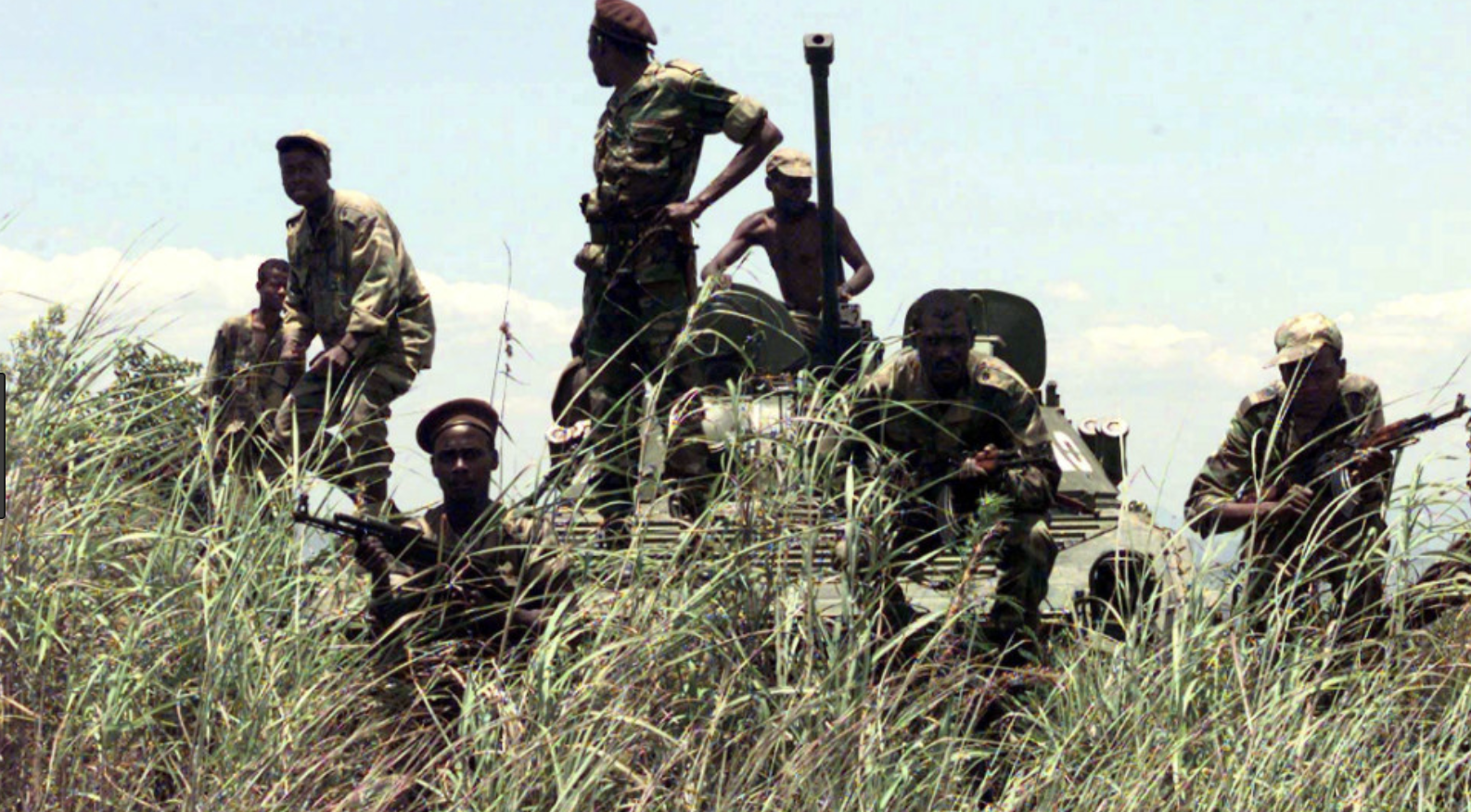
My assigned country, Angola, is bordering the South Atlantic Ocean and sits between Namibia and Democratic Republic of Congo. It is a coastline country, and it has two seasons: a rainfall and drought season, according to The World Factbook. The heavy rainfall has cause periodic flooding on the plateau. Almost half of the land is forest and cannot be used for agricultural. Furthermore, the country had been involved in a Civil War from 1975-2002 that has significantly slowed down its potential for progress.
Since the Civil War the country has utilized its oil production for economic growth and lowered child mortality. According to Trading Economics, the country is the seventh highest GDP at PPP among African countries. Moreover, according to UNICEF reported in their recent data collection that the child mortality rate is now at a low of 8.1 percent.
Although the country is making progress since the Civil War, SDG #1 is the least achieved of the goals for Angola. It is ranked 147 out of 186 on the poverty scale, despite the petroleum resources. The poverty is primarily in rural areas. The United Nations Development Program reported that 59 percent of the working population lives in poverty and the adult mortality rate hovers at a whopping 24 percent.
All Africa sheds light on the fact that human capital is a problem in Angola, but the country is aware of the problem and working to fix it. In the article, it discusses how the country has invested significant amounts in an effort to increase human capital. This is expected to increase productivity in companies and allow for innovation. By doing so, it will allow the economy to further expand and hopefully contribute to better economic distribution.
Although Angola obviously has plenty to work on with the SDGs, it has overcome hurdles since gaining its independence from Portugal in 1975. Additionally, it can now can effectively use its resources to attain their goals. The World Folio explains that at the time of it struggling for its independence, 85 percent of the population was illiterate and the economic sector was nonexistent. This perspective displays the headway Angola has made, but again, the country needs to see more progression in the near future.
Additional Sources
“Chapter 1 and 2.” Poor Economics: Rethinking Poverty and the Ways to End It, by Abhijit V. Banerjee and Esther Duflo, Random House India, 2013, pp. 1–40.
Radelet, Steven. Emerging Africa- How 17 Countries are Leading the Way. Foreword. Chapter 6. Chapter 7.

 Case Studies in an Inter/Multicultural World