By: Anna Herman
Over the course of the semester, we have learned how the Muslim population is increasing in Western Europe, and it shows no signs of stopping. In the text, Islam, Europe’s Second Religion Peter Mandaville address that as the second and third generation of Muslims become a part of the community, there will be a diverse range of responses in a sociocultural, economical, and political sense. This group of Europe’s youth has largely grown up in Europe and is comfortable at home. However, the author addresses the struggles that are unique to Muslim youth in Europe.
One of the struggles is the space for Islam to shift and change. This process involves bringing Islam into a great part of the culture that they are inhabiting, and there are a large number of people who wish and are preventing that from happening. This results in youths rejecting the Islam faith to avoid discrimination or bullying. No kid wants to be seen as an outsider, and the nationalist views that are partaking a large part of public discourse stimulate the culture as “the other”. This has led to and will continue to lead to bullying as the kids mature.
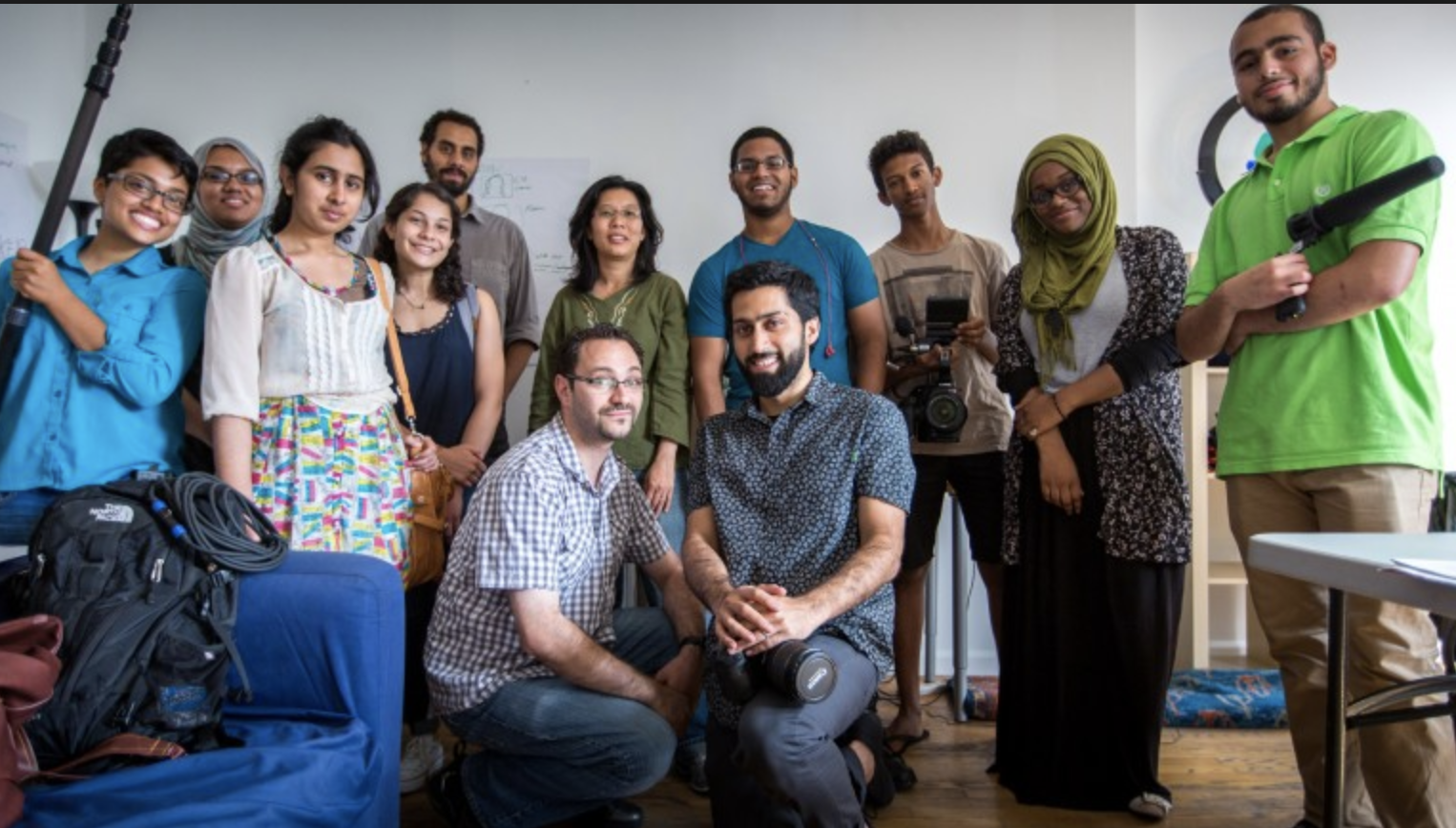
By judging a book by its cover or its religious identity, it diminishes the person as a whole. On the other hand, Muslim teenagers can turn to violence, because they wish to end this epidemic and do not know how to handle it. Another struggle is the language barrier. When Muslim youth speak English as their first language, they need to be exposed to Islam through the media and the culture they live in.
Shireen Hunter discusses the patterns of Muslim-European interaction, which allows the reader to understand the similarities and differences between assimilation, communitarianism, and new modes of integration. Assimilationists believe that Muslims should take their primary identity of their country they are a citizen in. They believe that religion is a private matter and should not be made public. Assimilation tendencies are more found in immigrants who arrived in the late 1980’s and 1990’s and the second and third generation Muslims, who have such a desire to fit in among their peers. Communitarians want Muslims to have cohesive communities so they can lean on one another in their society.
However, the most important movement among youth is integration without complete assimilation. The policies in numerous European countries is a combination of assimilation and communitarian tendencies. Hunter additionally addresses that in the future eventually it will be more integration without assimilation shaping the Muslim-European relations.
In Kenan Malik’s article, he discusses the diversity myth. The diversity myth is the belief that the multiculturalism has transformed societies and consequently made them more diverse than they have ever been. When in fact, historically there was diversity and the countries were not as homogenous as they seemed.
The text explains how both multiculturalism and assimilation are attempting to address the same problem, which is fracturing of society. Multiculturalism is defined as both a “society that is particularly diverse”, and “the policies necessary to manage a society.” This is promoting diversity, while assimilation calls an individual to desert their religious traditions and become one with the society they reside in. Malik points out that the debate should not be between multiculturalism and assimilation but between two forms of the former and two forms of the latter. He proposes that the ideal policy would connect with multiculturalism’s want for actual diversity and assimilation treating everyone as normal citizens.
In order to overcome multiculturalism Malik suggests that it is a necessity that Europe rediscovers a progressive sense of universal values. Moreover, immigration and integration should not be in the state’s hands but by the relationships that people form with one another and institutions established that are representative of who they are as a person, not just Muslim or German but both.
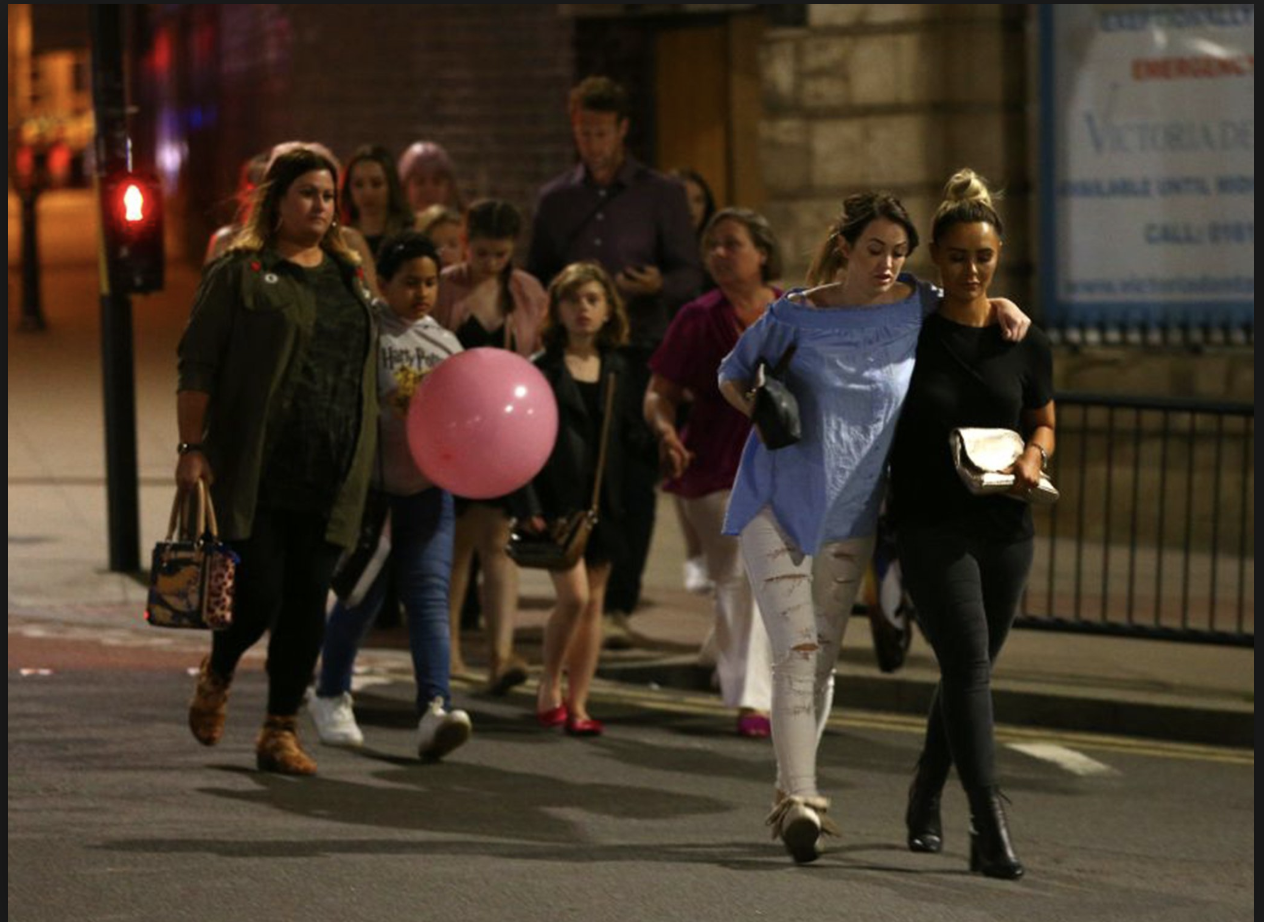
In Decoding Europe’s Homegrown Terror, Thomas Sajan explains how Muslim youths today are marginalized and widely associated with ISIS attacks. He explains how the young insiders are overall seen as a threat to the European continent. As we all know, the Manchester attacks affected many lives who were affected in the tragedy. It also greatly impacted how Europeans view refugees and unfortunately associate them with terrorist groups. The recurring suicide bombings are turning more and more Europeans to the thought that Muslims cannot be a part of their society. I agree with a lot of what Sajan is discussing, because of how Americans view Muslims after the 9/11 terrorist attacks. Muslims became largely discriminated and feared in our culture. Therefore, a similar attack in Europe would generate the same feelings. This does not mean it’s right, in fact I think it is extremely prejudice. Yet, it is a part of our culture and Europe’s, as well.
It is extremely disheartening that the events that have occurred around the globe are shaping not only the stereotypes that individuals view races or religions as, but how they are becoming instituted structurally. As we watched in class, country’s leaders are implementing laws that decrease diversity due to their fear of the religion or where they come from. It is automatically putting these individuals in a box, and that is the most limiting factor you can do to someone.
Additional Sources
Hunter, Shireen T. Islam, Europe’s Second Religion: the New Social, Cultural, and Political Landscape. Praeger, 2002.






 Case Studies in an Inter/Multicultural World