Radelet argues in the book “Emerging Africa” that across Africa, a new generation of leaders are emerging, making it to the top of important positions such as government bodies, businesses, schools, and organizations. They have been given many labels including “the Cheetah generation.” Radelet states that the new generation does not stick to one social construct. Each “cheetah” is unique and diverse, adding to the strong connections being fostered with the rest of the world. What sets the cheetah generation apart from the rest is their drive to get an idea moving forward. In Emerging Africa we get a quote from Ayittey speaking about the cheetahs. She stated, “They do not relate to the old colonialist paradigm, the slave trade, nor Africa’s post-colonialist nationalist leaders.” Cheetahs can be found all over Africa, but specifically in emerging countries. Many start here as entrepreneurs, creating jobs and new opportunities for investment. In contrast, many surrounding people in Africa seem to be staying with the old ways of things and Radelet calls this generation the “hippo” generation. These people stick to the ideas of fighting against colonialism and imperialism.
In the book “Emerging Africa”, Radelet gives a lot of explanation as to how the explosion of mobile phones, internet connections, and information and communication technology effected and continues to effect Africa. The expansion of ICT can allow more people access to more job opportunities, extend business and social networks, and increase accountability. Radelet explains that in poor areas of Africa where transportation may be difficult, mobile phones open up a new wave of communication, letting people know important things like the weather and differing prices of goods and services. Radelet’s positive view makes sense, since he states, “Africa has become the fastest-growing mobile market in the world.” The explosion of ICT is probably sustainable since two more fiber optic cables will be added to the SAT-3 cable already boosting internet access in Africa off the West coast. These new cables should be said to reduce costs as well. The challenges to this sparkly, exciting change in Africa is that we do not have any idea how this really will affect the continent in the future. Yes, technological changes have transformed different areas of the world, think the transcontinental railroad in the U.S., but the United States was not the most impoverished country at the start of the change. Even Radelet writes, “They will not overcome all problems, lift everyone out of poverty, or change autocratic governments into liberal democracies,” accepting that ICT will not change everything at once for the better.
It is very possible to get trapped in poverty according to Banerjee and Duflo’s book Poor Economics. Economists call countries stuck in poverty due to the extreme climate, infertility, being landlocked and even often malaria infested (Poor Economics). Nigeria is known for having extreme droughts, and climate change is worsening their chances of combating poverty in many ways. Farmers are unable to farm and livestock is affected. When it comes to infertility, Nigeria has trouble keeping health risks away due to a lack of affordable healthcare. Nigerian Gynecologist Kingsley Angholor wrote, “For example, tubal disease, which is the most common cause of infertility in Nigeria, is best treated with in-vitro fertilization (IVF), and one cycle of IVF in Nigeria costs an average of 3,289 USD.” Healthcare bleeds into the next reason countries get locked in poverty too: malaria. Malaria kills more people in Nigeria than in any other country in the world according to the United States Embassy in Nigeria.
In my country Nigeria, climate change has halted many sustainable development goals. Agriculture productivity is decreasing due to different things depending on the location in Nigeria including droughts, extreme heat, and natural disasters. According to the Punch Newspaper, the Federal government established the office of the Senior Special Assistant to the President on SDGs, a House Committee, and Senate Committee to work on implementing the Sustainable Development Goals in Nigeria. Senior Special Assistant to the President on SDGs Adejoke Orelope-Adefulire has worked to get different initiatives moving forward to combat Nigeria’s poverty trap and reach the sustainable goals like The Safe Birth Initiative. This initiative gave $10.8m to help try and strengthen hospitals.
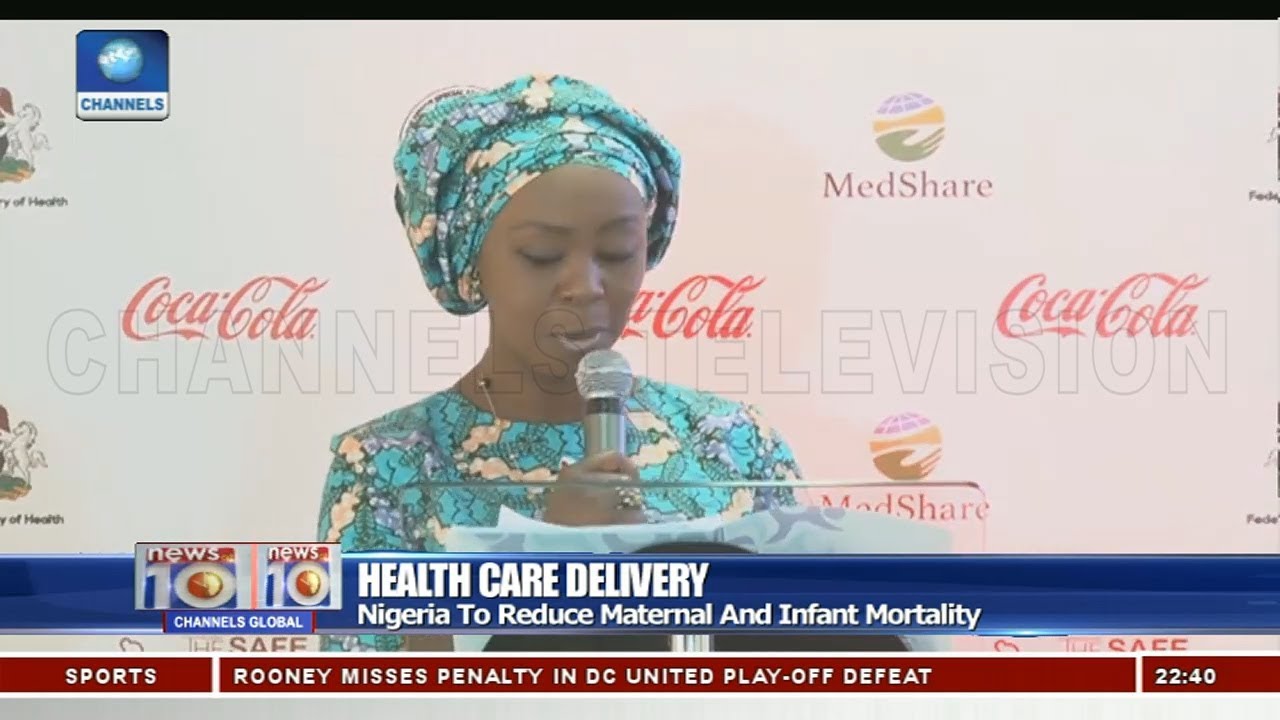
Nigeria’s population has been growing, but the country has done little to improve its human capital. According to Leadership Newspaper Nigeria, “The country spent less than one percent of its GDP on health.” UNESCO said in 2014 that Nigeria ranked the number last in education, therefore human capital is a problem in Nigeria.
By: Tori Travers

 Case Studies in an Inter/Multicultural World