By: Tori Travers
Part 1:
a) According to the International Monetary fund, my country Nigeria is the wealthiest country in Africa. This was looked at primarily with GDP in mind. Nigeria is an oil-rich country and has many exports of this as well as other natural recourses like cocoa and rubber. Itnewsafrica.com also stated that Nigeria is Africa’s most populated country.
This makes it easy to find cheetahs around my country. A cheetah is someone in the new generation of Africa who has fresh progressive ideas that they are determined to move forward. In 2014, a group of young people in Nigeria began campaigning to #bringbackourgirls. In Nigeria more than 250 schoolgirls were abducted from their dormitories in 2014. One Nigerian activist stood up to begin the campaign #bringbackourgirls. Her name is Oby Ezekwesili.
Ezekwesili’s campaigning led to a large march in Nigeria’s capital Abuja, which caught national attention. After many months of campaigning, the Nigerian government made movements to try and better the human rights, safety and accountability of Nigerians.
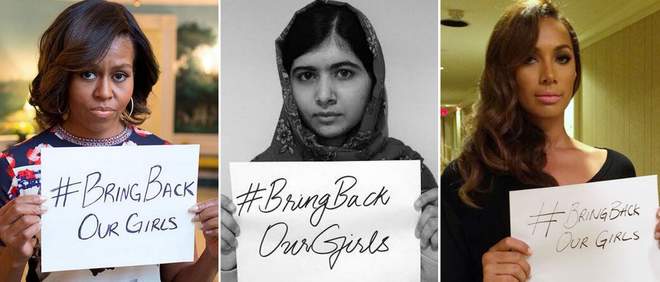
The Global Business Coalition for Education – along with Nigerian business leaders, donors, and government – made the Safe Schools Initiative in 2014 following the activism of Ezekwesili. The initiative has led to over 2,000 children being relocated and many upgrades to schools around Nigeria, although a large number of schoolchildren again were abducted in early 2018. The group who did the most recent abduction was called Boko Haram, loosely translated as Western Education is Dead.
b) In Emerging Africa, Radelet argues that one cannot easily define what a democracy is. He says that although competitive elections constitute a democracy, elections alone do not announce a democracy. Civil rights, protections, freedom, control of government and checks and balances all compile into what may be seen as a democracy. According to Emerging Africa, “The death of Nigeria’s brutal dictator Sani Abacha in June 1998 led to the election of Olusegun Obasanjo the following year and launched Nigeria’s fragile and incomplete move toward democracy. Radelet states that in the last 20 years, 50% of Africa’s countries are now under a democratic rule. He credits this to many things, including a straying away from indefinite power of leaders.
Young African Leaders Initiative is active in Nigeria, challenging Nigerians to vote and stay checking power. YALI advocates for transparency between citizens and their government.
Some current news in Africa is about their recent elections. Just hours before the election voting was supposed to begin, the Independent National Electoral Commission shockingly postponed the balloting, pushing back the voting dates to February 23 and March 9. There was no one clear explanation as to why the government voting was postponed, and this has led to some distrust in the Nigerian people. Many voters were angry after traveling far for the chance to vote and preparing for the original dates. According to allafrica.com, many organizations are in frustration. “The Nigeria Civil Society Situation Room, a network of over 70 organizations supporting credible, transparent elections in the country, expressed disappointment, especially “against the background of assurances given by INEC on its preparedness” for the polls,” one article stated.
Part 2:
a) Developing countries face many problems, causing the movement out of poverty to be a tough one. The book Poor Economics states that the majority of the poor run on small businesses or farms. Since most impoverished people depend on farming, many struggle when factors like climate interfere. The book says, “Most of the land farmed by the poor is not irrigated. This makes farm earnings highly dependent on the weather.” According to Poor Economics, the other majority of employment in poor countries comes from something called casual labor. This is someone who only receives employment for a few days to a few weeks. This leads families with little to no security and dependability on income.

 Case Studies in an Inter/Multicultural World