a) Jacqueline Novogratz begins her TED talk by telling a story about when she discovered the level of connectedness that we have to others far from us and all around us. She gave away a sweater in the ninth grade to the Goodwill due to some classmates picking on her. Years later she found a little boy in Rwanda wearing her same sweater. Novogratz highlights that most of us do not think about how our reactions create a reaction on not only ourselves but also others. She said that although most define someone as impoverished if they make less than 4 dollars a day, she looks at people who make between 1 dollar and 3 dollars a day. Novogratz believes that the only way to end poverty is to build viable systems on the ground that deliver critical and affordable goods and services to the poor in ways that are financially sustainable and scalable.
Tim Allen speaks in his TED talk about how he believes we must fix poverty. It was interesting to me how Novogratz uses the word “end”, while Allen says “fix”. Allen believes that we should do better. He thinks that the notion that poor parents don’t care about their kids is due to inexperience and lack of knowledge. Allen is upset with the school systems, because of their lack of action in trying to help impoverished kids get an education. I agree with both TED talks, as they are both well-informed individuals and give facts to back their claims.
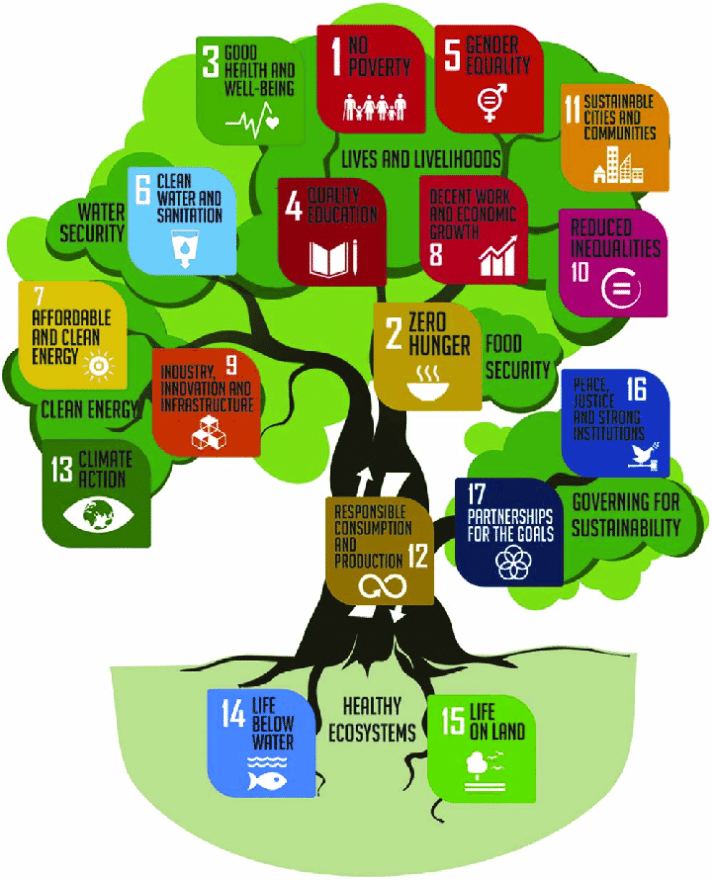
b) The Sustainable Development Goals were made to help 17 different universal calls to action that the United Nations set in hopes of ending poverty, protecting the planet and ensuring that all people enjoy peace and prosperity. Neoliberalism has affected many countries by increasing the wealth disparity between people. The top 1% of people in the US has increased within the last few decades, while median wages are the same if not lower according to the Massachusetts Institute of Technology.
c) In John McArthur’s Own the Goals, McArthur speaks of “players on the bench.” Here he is talking about the problems that Washington had with ignoring the majority of the Millennium Development Goals. In particular, President George W. Bush. What is interesting is that Bush did help improve aspects of MDGs without explicitly supporting the notion. He created the Millennium Challenge initiative which promised that the U.S. would extend 50 more foreign aid within three years. McArthur criticizes this by bringing up the similarities between the two initiatives, the Millennium Challenge and MDGs. McArthur also notes that the State Department did the exact same thing, pronouncing support of the Millennium Declaration but never the MDGs. The State Department officials would also be considered “players on the bench”, as they could have made a huge impact improving the lives of many if they were to promote the Millennium Development Goals. At the end of his talk about the “players”, McArthur brings the World Bank into the equation. He wrote, “It has not adequately facilitated MDG efforts on the ground.” McArthur goes as far as to criticize the bank for caring more about economic reforms than social investments for change.
d) The article “How to Help Poor Countries” talks about the Millennium Summit meeting where leaders of many nations decided to increase aid programs in developing countries. This includes increasing global trade and open markets. The countries that met decided that the wealthiest countries should have a liability to largely provide recourses and trading opportunities to those who are not financially strong countries. This is an idea that the authors, the Council of Foreign Relations, have as to how to implement lending more aid money. The authors state that in trade, the more processing there is, the more tariffs. This discourages poor countries from participating. Another problem with helping other countries succeed in particular by giving out aid is that the aid only works as well as the government is doing who receives it. The Council of Foreign Relations decided that when it comes down to it, an easy start to the conversation would be for the wealthy countries to lift some burdens they hold on some of the poorest countries and people. I agree with the council on this, but it all starts with how willing the governments of the financially strong countries are to helping out those across the globe.
 Case Studies in an Inter/Multicultural World