By: Anna Herman
Can you imagine becoming the leader of a country and still not having enough control to start taking steps to make a change? In the Council on Foreign Relations article, it discusses how Angola’s newest leader, President João Lourenço, did not assume control of the ruling party, MPLA (Popular Movement for the Liberation of Angola) until a year after he was elected. But he is already emerging as a “cheetah” due to his plans to implement systems of accountability and reduce poverty. We read last week about how Radelet explains that ‘cheetahs’ are trying to redefine Africa. Ever since running for office, President João Lourenço has led an anti-corruption campaign, aimed for economic reforms in the oil industry, and expected to further utilize other natural resources that have been ignored for years.
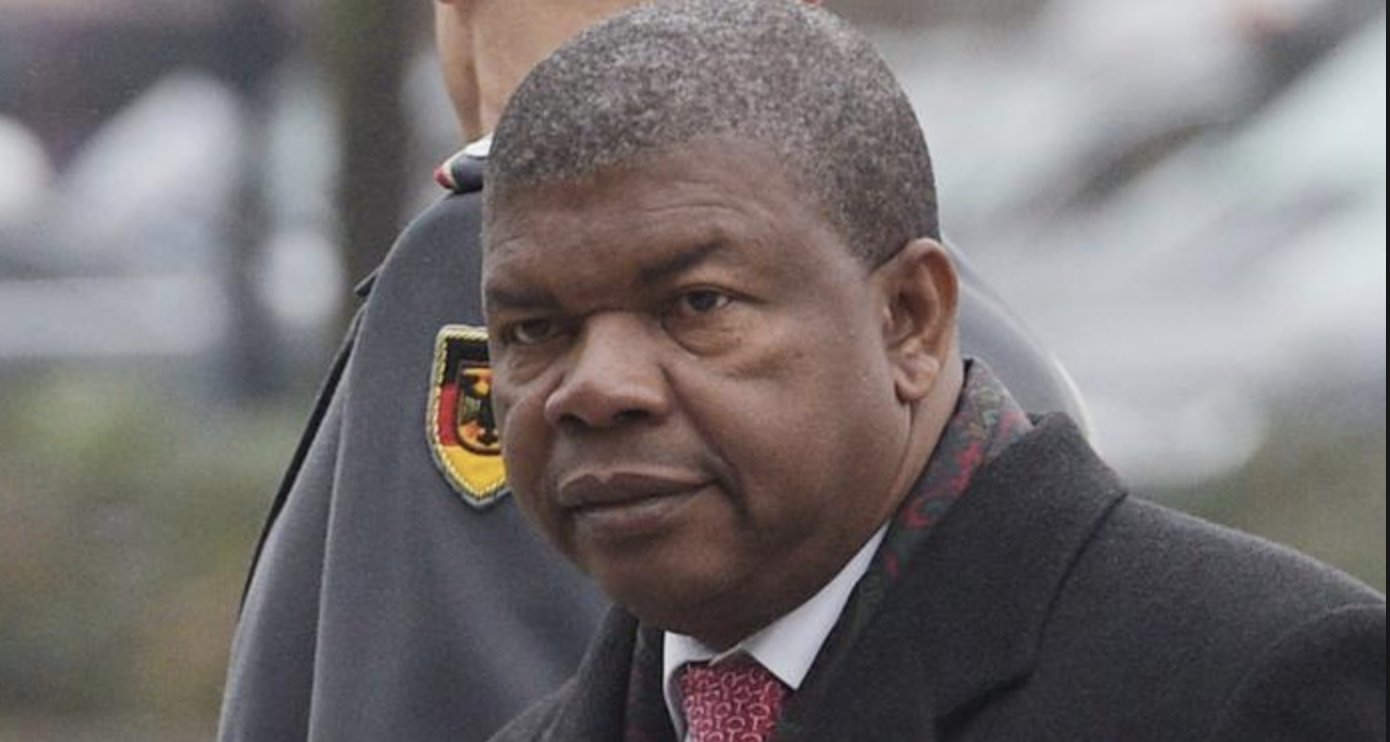
The All Africa article explains how Lourenço has taken more steps to see change. He has effectively removed traces of the previous president, José Eduardo dos Santos, in his cabinet. This includes his children from their positions at the sovereign-wealth fund and Sonangol. Furthermore, it discusses how he has continued to administer accountability, since he has made arrests to high-ranking officials that were connected to dos Santos and heavily involved in his corrupt administration that lasted 38 years. The former president’s son, José Filomen dos Santos, was included among the series of arrests made since 2017.
The Africa Report explains how President Lourenço is focused on improving the economy and consequently reducing poverty. He is making strides to do this by meeting with the International Monetary Fund (IMF) that predicts Angola’s GDP growing 2.2 percent this year and even more the following year. With the help of IMF, Lourenço is hoping to increase transparency in the government with the reformed agenda. Finally, the cheetah is looking to relaunch fishing and agriculture markets and by using those resources to open the country to foreign investment. The previous administration was strongly against this idea and only wanted private investors. However, Lourenço believes this will help distribute income to those who have been deprived due to the events in the past like the Civil War. Although this is progress for the country, Angola still has a significantly long way to go.
In Emerging Africa – How 17 Countries Are Leading the Way, Radelet explains how both strong political and economic controls allowed leaders to be in control for long periods of time, even decades. This is precisely what happened with Angola and President dos Santos. The Encyclopedia Britannica article discusses that after Angola gained its independence from Portugal, dos Santos held power from 1979 to 2017. As a result, there was little opportunity for change, let alone spreading democracy. Democracy is defined by “protecting fundamental political freedoms and civil liberties, or in establishing key institutions such as free and fair elections, representative government, and check on constitutional power”, according to Radelet. This chapter argues that the variety of elements that make up this definition are all imperative to construct a democracy. By having these factors, it allows individuals to easily analyze and compare the levels of democracy in the different countries in Africa.
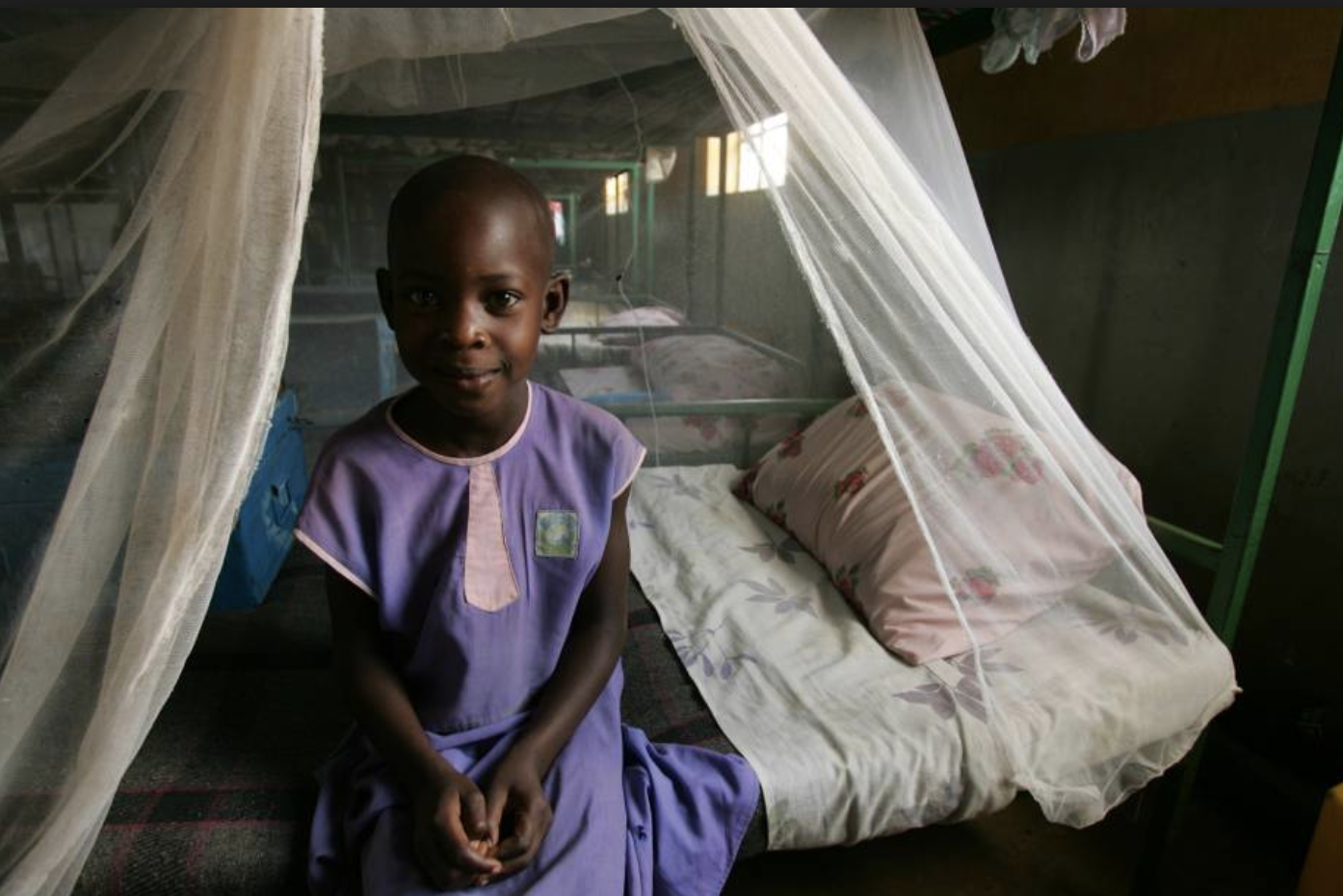
In Chapter 3 of Poor Economics, the authors discuss a variety of effective health investments. The idea behind these investments is to improve health and as a result people’s lives. The authors discuss cheap and easy preventative healthcare measures. They refer to them as low hanging fruit. They include bed nets in countries where a large fraction of the population is exposed to Malaria. This includes countries like Zambia, where over 50 percent of the population is exposed to this disease. However, there are critics that are skeptical of the idea that these infested countries have such high poverty rates due to Malaria. The chapter touches on Sachs idea that maybe they have not been successful in eradicating Malaria due to poor governing rather than innovation.
However, numerous studies have been performed analyzing successful campaigns to eradicate Malaria. Researchers did find that life outcomes of children born after the campaign catch up with children born where there are low incidences of Malaria. This suggest that there is a reduction in long-term poverty due to bed nets.
Another example of an effective health investment that the authors discuss is clean water and sanitation. In 2008, UNICEF and WHO estimated that 13 percent of the world’s population lacked access to improved water sources and one fourth of that did not have any water at all that was safe to drink. By having the opportunity to have piped water and basic sanitation needs that we take for granted such as a toilet, it allows both children and adults to lead healthier and more productive lives. Although this is a more expensive option, it is an option that was not available before.
Obviously, increasing healthcare is the backbone of these investments, and the authors suggest cheaper ways to avert health issues. To get rid of diarrhea, they recommend adding chlorine to water. Other suggestions include deworming drugs, immunization, exclusive-breastfeeding for six months, and more. By just having the existence of these technologies it can save lives that used to be taken from these everyday. Hopefully by addressing these social issues, it can ultimately implement a cultural change.
More Sources
“Chapter 3, 4, and 6” Poor Economics: Rethinking Poverty and the Ways to End It, by Abhijit V. Banerjee and Esther Duflo, Random House India, 2013, pp. 1–40.
Radelet, Steven. Emerging Africa- How 17 Countries are Leading the Way. Foreword. Chapter 3.

 Case Studies in an Inter/Multicultural World