By: Anna Herman
In Poor Economics, Banerjee and Duflo, make several arguments both for and against micro-credits. Micro-credits are defined as financial services that are targeted for low-income people. They provide these people credit, savings, insurance, and money transfers.
Banerjee and Duflo support using micro-credits and the positive results when they are used correctly. These are virtually extremely small loans, and the authors argue that they give the people who receive them the framework for managing financials. This includes basic habits, such as spending and saving money correctly. By having people understand these fundamental skills to successfully manage their financials over time, it could potentially lead to a debt-free future on a micro level. Moreover, Banerjee and Duflo also seem to understand the idea for human need. Since these individuals are extremely poor, even small loans could improve the quality of life greatly for them.
However, Banerjee and Duflo recognize that no matter how beneficial they may be individually, they will certainly not eradicate poverty. The authors state that these micro-credits are certainly not the solution to large poverty issues. Consequently, they make several arguments against using micro-credits. Although these loans have the potential to be positive tools to manage money properly, there is going to be people who receive the money and spend it immediately, Since these poor people have never had money, they could be and probably will be impatient. This point could be an negative consequence of using micro-credits. Furthermore, poor people may not see the point of saving and would rather use these loans for everyday needs. This completely eliminates the possibility of micro-credits creating a positive future and ultimately difference on the macro level. Since these loans are small, they very well might not be nearly enough for an individual to start a small business. Without having enough right away, it poses the question of how likely do you think poor people will be inclined to save more and if so, how will they raise the rest of the funds?
Although it is a complex issue, Angola does use micro-credits. Since most of the economy relies natural resources (petroleum and diamond) to create profit, initially you would think citizens the ideal contenders for micro-credits. This is because micro-credits are heavily aimed at allowing small business owners to create a business and if there is not a lot of business opportunities other than oil and diamonds, what is the point? However, I have discussed in previous blog posts how a majority of the population lives in areas where they depend heavily on agriculture and fishing. In the Southern African Development Community documents, the authors discuss how the banks have provided micro-credits to those in the agriculture and fishing sectors. Although these areas are not the main source of income for the country, by providing micro-credits to smaller sectors of the market it allows for expansion. I agree with the limits on who they are providing them to, because if it is not regulated about who it is being given to, individuals could take advantage of the loans and put themselves in a worse economic state.
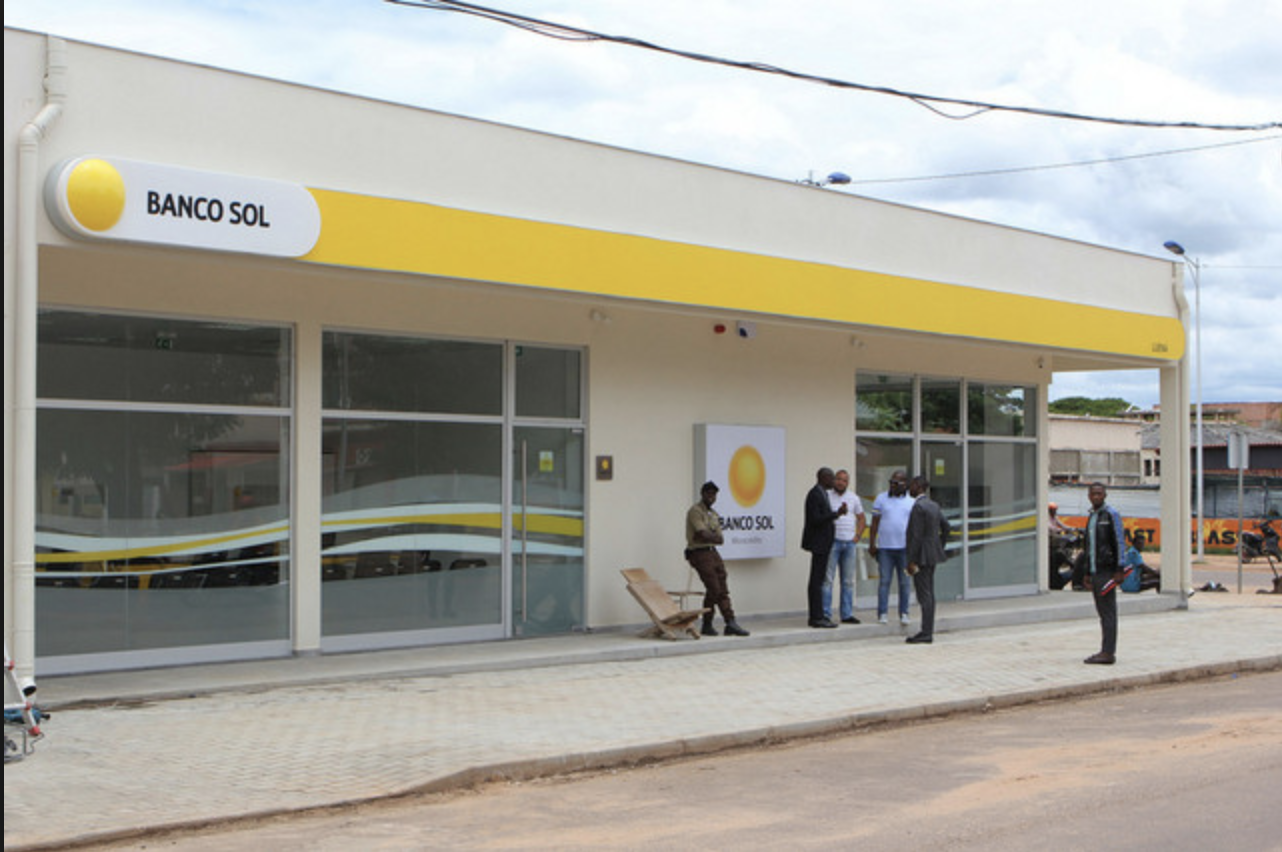
These micro-credits have not only given farmers and fishermen tools to improve their business, they have allowed them the opportunity to export these products. This was simply not feasible before these loans were available. Since Angola deeply relies on exports for their income, it will be interesting to see what area of the market the economy is more profitable in the next few years.
However, the Brookings Article largely critiques Angola, as it labels it a severely off-track country. Geoffrey Gertz and Homi Kharas discuss that the SOTC are defined by the country’s ability to ensure that its population can escape extreme poverty over the medium term. I agree with the authors that maybe not within the next term Angola will be able to do this, but I believe with the progress it has made since escaping the Civil War, there is a lot more to improvements that we will see in the economy.
Digital technology is making a difference in poor countries, but it is limited. According to Technology In Organization, digital technology includes all types of electronic equipment and applications that use the information in the form of numeric code . Therefore, digital technology includes the creation and use of computerized devices. Some Africans now have access to these devices such as phones, which results in them being connected to the rest of the world through social media. The Guardian article, discusses African citizens who use digital technology, and one of the most important points is that social media allows them to expand their businesses. However, I think the distribution of technology in Africa is the problematic part. If everyone or a majority of individuals in your area do not have it, then what is the point of it?
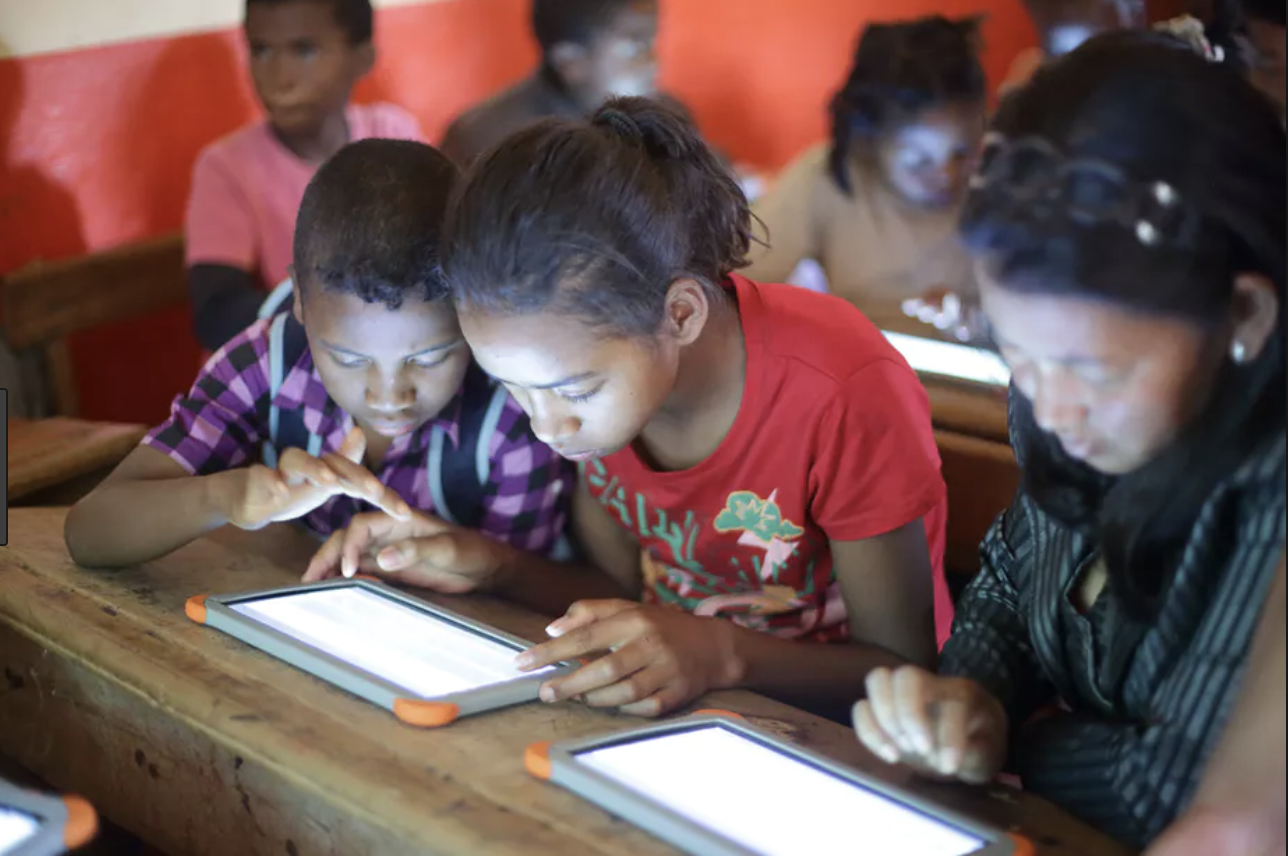
I agree with Nick Dearden’s article that we hear the stereotypes and reinforce assumptions that Africa is poor, but we are the ones limiting them by the western governments forcing African government to open up their markets to unfair competition. However, I do think the corruption in leadership in African countries has also limited Africa, and that is not necessarily anyone’s fault. Africa has several natural resources that can be exported, and if we help Africa export them efficiently, it could be extremely beneficial to the state of their economy.
Additional Sources
“Chapter 8 and 9” Poor Economics: Rethinking Poverty and the Ways to End It, by Abhijit V. Banerjee and Esther Duflo, Random House India, 2013, pp. 183-234.

 Case Studies in an Inter/Multicultural World