By: Anna Herman
Since the beginning of the semester, we have talked about poverty and the different layers that construct this issue. This includes the varying arguments on the best way to reduce and ultimately end poverty and what poverty actually looks like in third world countries. I have examined and analyzed what has led to extreme poverty in my assigned country, Angola. From this, I have developed certain viewpoints on what can lead and possibly reduce this epidemic. In Chapter 10 of Poor Economics, Banerjee and Duflo display both the positives and negatives of development aid with economists who have studied poverty on an intimate and prestigious level: Jeffrey Sachs and William Easterly. Jeffrey Sachs supports development aid and William Easterly is against the idea of it. Both sides have valid arguments, which helped me construct my opinion further on this complex issue.
Although I have been reading about extreme poverty for the past few weeks, I will never be able to fully understand it. This is because I am a middle-class white female from St. Louis, Missouri. No matter how much material I read or discuss I will never be able to fully understand what these economists or the authors talk about and have seen. I have not witnessed it firsthand, let alone lived it or anything relatively close to it.
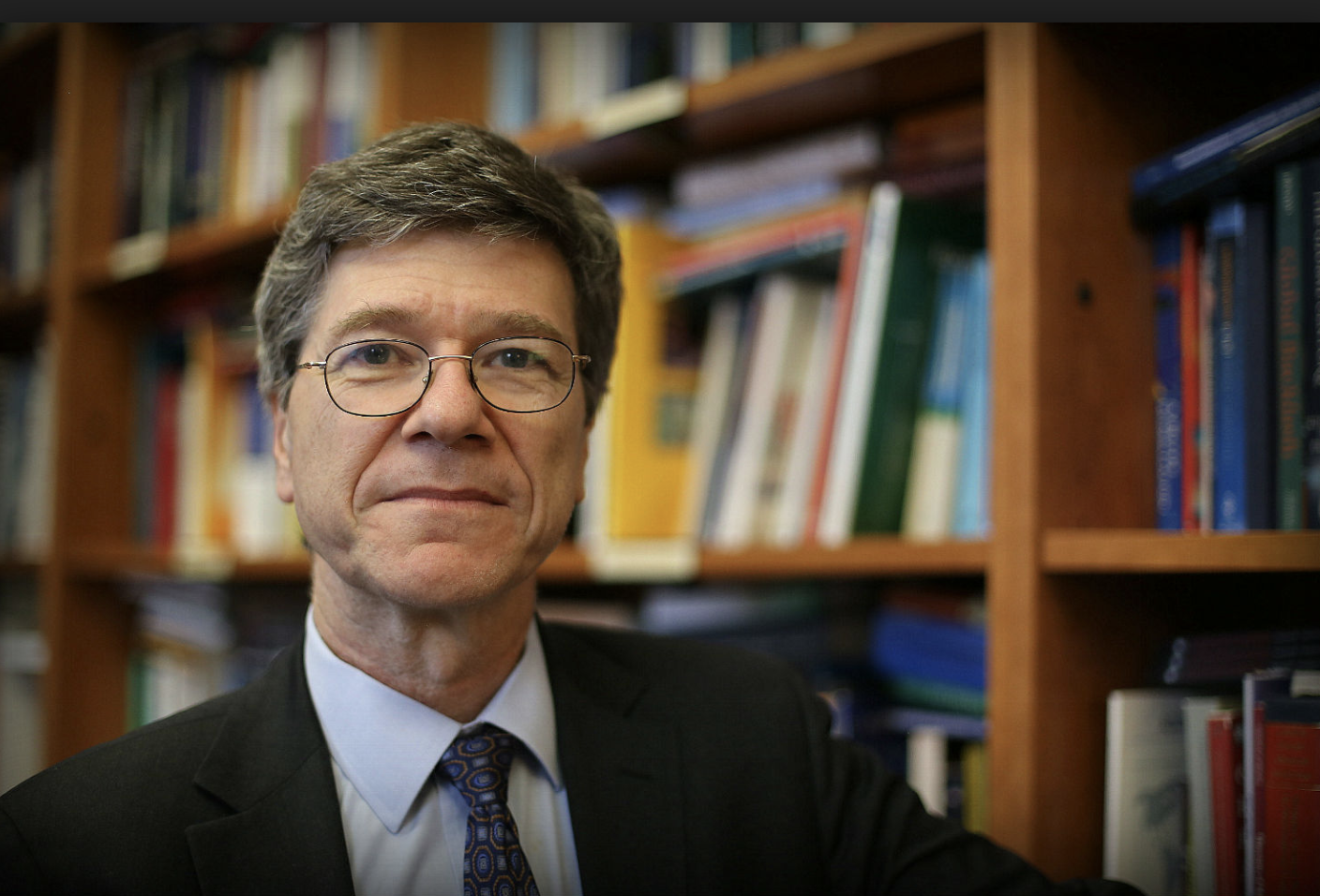
Jeffrey Sachs believes development aid is a key tool for economic progress in underdeveloped countries. He argues that this tool does not stand alone and works wonders when it is combined with good governance, transparency, and effective policies administered in these countries. He uses public health for having the greatest success when aid is given to them, specifically with Malaria. As I have discussed before, malaria is disease that is present in many African countries and leads to deaths of tons of citizens. With development aid, it has been able to be under control more than before. He argues that this would simply not be attainable without development aid given. Sachs recognized that there are poorly designed programs that give financial assistance, but it can be fixed by implementing programs with clear goals and sound operating principles.
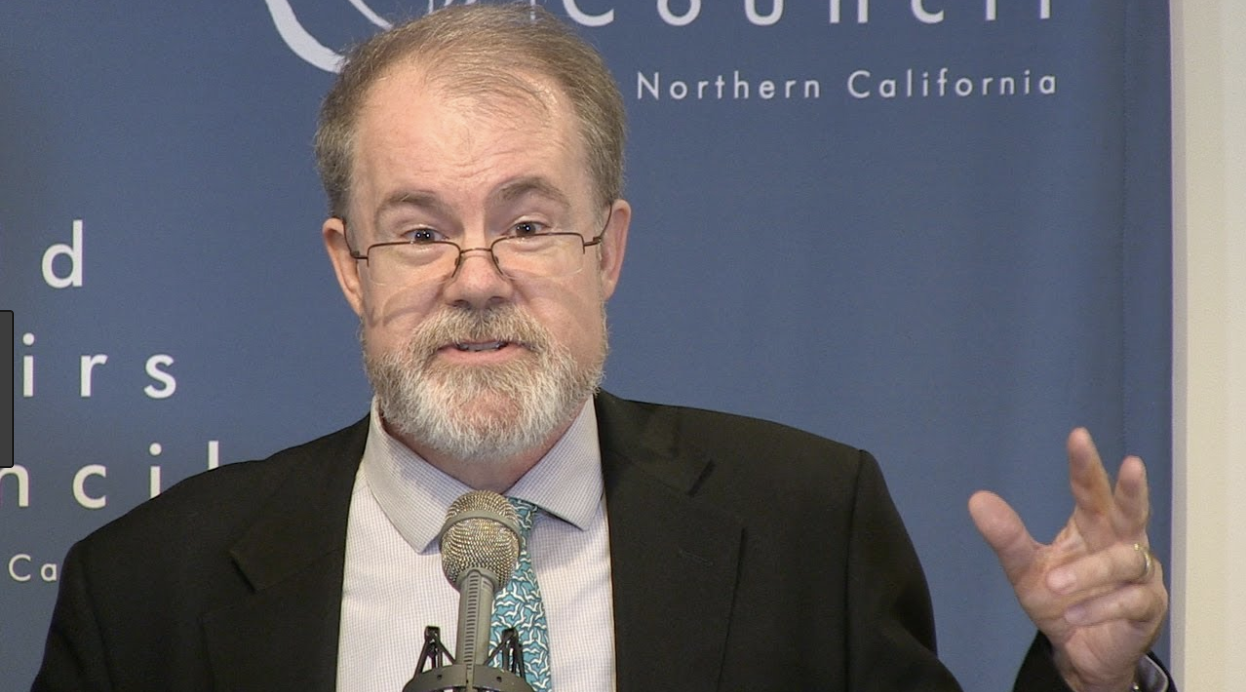
William Easterly’s major concerns with providing aid is feedback and accountability. He discusses how both these elements are imperative for development aid to work. Furthermore, if they are not there this idea will fail and is proven because it has failed in the past. By agencies not being held accountable for these factors and focusing on broad goals such as reducing disease, he discusses how it progress will not be able to be made with development aid. Moreover, impoverished countries have had a history of corrupt governments controlling where foreign aid is distributed. Easterly argues that this money often has political motives behind it and there are more innovative ways to solve big issues such as health care and education.
From hearing both sides of the issues, I agree with Jeffrey Sachs for a variety of reasons. Development aid gives these countries a starting point to move forward that would otherwise simply be unattainable. Without it, where do countries realistically begin to make process to achieve goals? I do recognize potential and realistic issues with development aid, but I think that is miniscule compared to the benefits that it has. If people are under such corrupt governments, they will not have the freedom to make effective reforms on their own. It further calls for the need of development aid, in my opinion. In the Brookings article, it discusses how even though there still is many corrupt governments, the past two decades has seen the most dramatic decline in global poverty. I am not dismissing the fact that there are programs that may not hold individuals to the utmost responsibility. However, I think with programs that are thoroughly constructed, aid has been life-changing. Look at Sachs use of it saving lives with helping diminish malaria, although it is not perfect it is progress that helps lessen poverty.
Banerjee and Duflo sufficiently address the first two sustainable development goals: end poverty in all forms everywhere and end hunger, achieve food security and improved nutrition. As I mentioned before we have read about the factors that are apart of extreme poverty. The authors discuss how there is a need for proper policies and governance to capitalize on the country’s resources and proper distribution of them. Also, they assert the need for basic healthcare in order for these communities to thrive. This includes the need for clean water and protection from diseases like malaria. Furthermore, they discuss how small loans known as micro-credits have given individuals an opportunity to start their business that would otherwise be nonexistent. In Angola, it has allowed farmers and fishermen to expand their business. They are able to export their products, consequently leading to structural economic expansion. On an individual level, this income has led to more mouths being fed. Although there is strides being made with innovations in underdeveloped countries, there is still struggles that individuals face by not receiving adequate healthcare. This is largely due to the economic struggle of simply not being able to pay for a vaccine. However, by reducing poverty and hunger with better leaders in the government and micro-credits, it provides a backbone for these goals to continue to be closer to being met in the future.
Additional Sources
“Chapter 8, 9, 10” Poor Economics: Rethinking Poverty and the Ways to End It, by Abhijit V. Banerjee and Esther Duflo, Random House India, 2013, pp. 183-234.

 Case Studies in an Inter/Multicultural World