By: Anna Herman
- How do Zemni and Parker (ch.13) explain the “failure of integration” of Muslims in Europe? Why is the way Europeans think about integration and multiculturalism problematic in the discourse surrounding Islam and Muslims in Europe? Explain and give examples.
In the text Islam, Europe’s Second Religion, Zemni and Parker discuss the how the EU’s integration and expansion has dedicated a significant amount of effort to create the collective European identity and culture. This set of values is based off of the European national cultures, which include democracy, tolerance, acceptance for human rights, and more. This means that in order for someone to be European, it is necessary that they practice that set of values. Ultimately this translates to “multicultural Europe” being extremely exclusive with the ideological framework it is based on, and has become extremely problematic for anyone who does not fit in that bubble.
With this being said, Zemni and Parker explain the “failure of integration” of Muslims in Europe as yet another arena in which the biased concept of multiculturalism in Europe has created failure of migrants/immigrants of non-European origin to be able to assimilate into host societies, specifically Muslims. This has been present in two impartial demographic movements. First, the migration of laborers and their families from third-world countries to satisfy low paying jobs in Europe’s economy between 1950-1970. This ended in the 1970’s because of economic declines that led most European states to halt immigration. Secondly, the trend of individuals and their families fleeing conflict, political, and financial insecurity after the end of the Cold War. Most of these people fled to Western Europe.
Both of these movements sparked the challenge posed by the seeming incapability of immigrant groups (again mostly Muslims) to “get ahead” in European context. Ultimately, this failure of integration is defined as the failure to adopt the styles and practices that individuals are expected to accept and embrace themselves, despite it simply being the norm of hegemonic cultures.
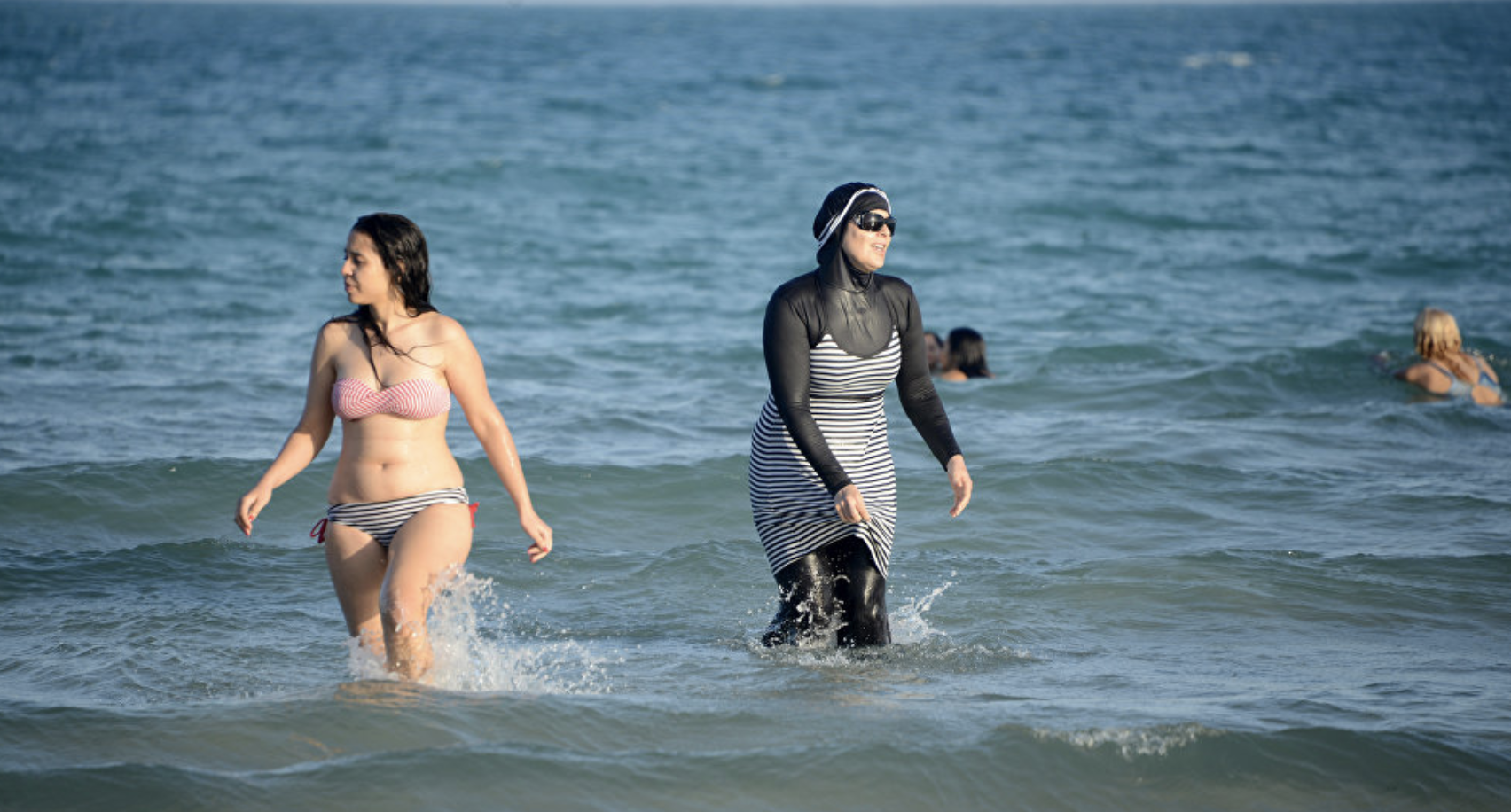
This relates closely to not just European Muslims, but Muslims that live in the United States experiencing the same expectations. As we discussed last week, if this marginalized group does not fit into the ideals that are societal norms, they are viewed as not belonging. This is prevalent in women wearing a veil, as they are assumed to be terrorist or forced to wear it by men, when in fact it is simply an image of their religion. All of these stereotypes that are prevalent in the United States and EU are from narrow-minded, nationalistic understandings. Merriam-Webster defines the term multicultural as “relating to, reflecting, or adapted to diverse culture. Therefore, by definition the multicultural integration in the West completely loses its meaning.
2. What is your assessment of the Foreign Policy The Dispossessed article and the film My Escape? Does the comic do justice to the refugee situation? Is it a good analysis of the crisis? Does Islam play a role? Even if you only watched a part of the film My Escape what is your assessment of the film? What caught your attention?
The Dispossessed article portrayed a realistic picture for me of the various reasons that refugees and migrants are leaving their homes. Whether it be due to political wars, geographical changes, or poor economies, it shows the actuality of people’s lives that is in the middle of the political climate today. We hear about immigrants 24/7 through the media, but Alia Malek and Josh Neufeld depict the stories of real people behind the topics that are so closely debated today. It allows a personal and intimate understanding of what refugees are truly going through and informs people of the consequences of the harsh immigration laws they are debating, attempting to, and have implemented. I believe the comic accurately shows the privilege that citizens in the Western countries have as it therefore leads to ignorance towards refugees.
The film My Escape had multiple scenes where it showed refugees terrified as they fled their home countries. Although they did not know what difficulties may lie before them, they wanted to survive. The hardships in the stories that were shared, further confirmed how much privilege I had as a natural born citizen of the United States. Although I am extremely passionate and strongly support immigration, I was unaware of the realities that these people faced to simply stay alive. Bottom line is in both the article and My Escape, refugees are fleeing for a better life and are in immediate danger.
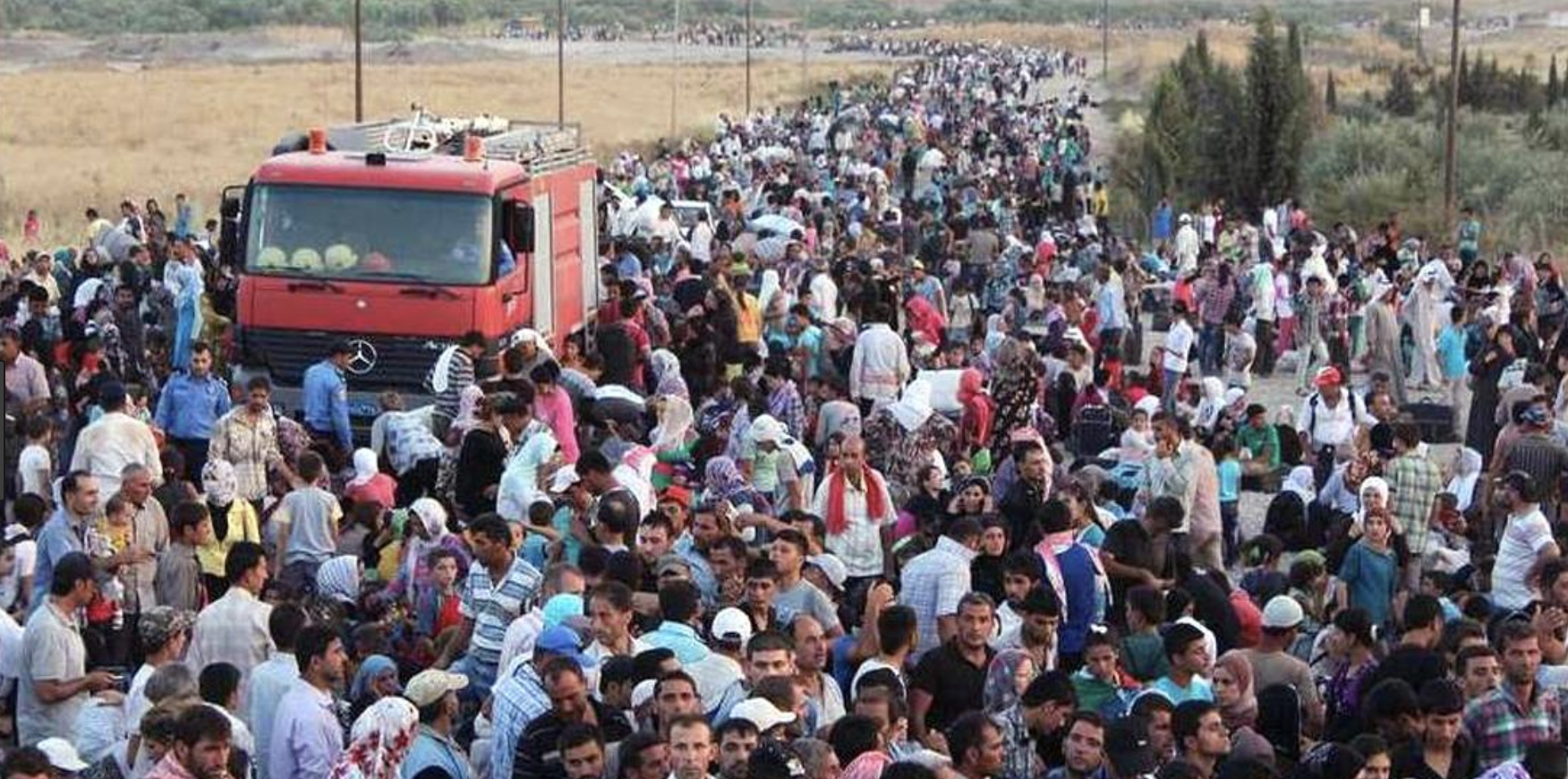
I believe this is especially important today, as the current president has shutdown the government in order to have enough funding to build a wall between the United States and Mexico. Consequently, President Trump has hopes that this physical wall will keep immigrants out. After viewing the documents and video, it displays the insensitivity that the country is having towards those who need our help the most. I genuinely feel that if the president and other government officials would truly empathize with these people, they would have a completely different viewpoint.
Additional Sources
Alia Malek & Josh Neufeld “The Dispossessed” (Foreign Affairs)
Hunter, Shireen. Chapter 13. Sami Zemni, and Christopher Parker. Islam, the European Union, and the Challenge of Multiculturalism.
Sasse, Elke. My Escape. Film.

 Case Studies in an Inter/Multicultural World