by: Tori Travers
Banerjee and Duflo argue that microcredits beneficial to the poor because it is a way to give an opportunity for them to become entrepreneurs and smarter workers. The authors shared many stories, many of those involving women, which showcased times when these microcredits assisted to lift people out of poverty. I agree with the authors when they stated that “Moving the goalposts closer may be just what the poor need to start running toward them” (204). In other words, the authors argue that, if the poor are given the opportunity under the right circumstances and with the correct resources, they will most likely take advantage of the situation. As we have seen in their stories, the poor are often resourceful in their ways to make a living, so they do not lack ingenuity; they lack startup funds to become entrepreneurs.

On the other hand, the authors argue that we simply do not have enough information and statistics to know whether microcredits are effective. They also state that large MFIs (Micro Financial Institutions) have yet to have a “powerful argument in their defense” and produce reports to the public (Banerjee and Duflo, 169). The authors also state that sometimes, these MFIs do not have the borrowers’ best interest at heart, and those borrowers are not well informed of the terms of repayment of their loans (170). In addition, these MFIs have a sign-up rate and are very selective in choosing their borrowers (219). I agree with the authors in that these large MFI are flawed often because they are tied to larger banks that are not willing to support small business owners in the long run.
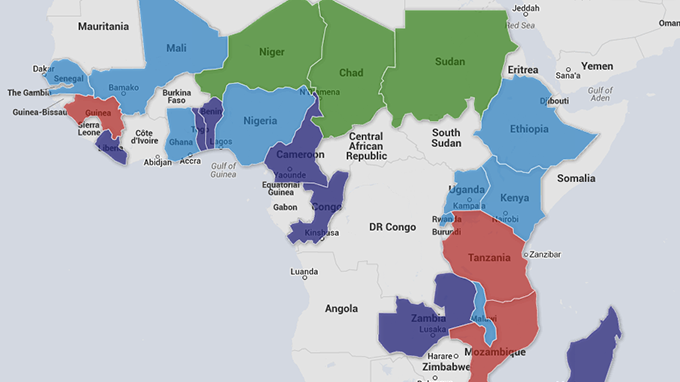
Microcredit has had a significant presence in Nigeria for several decades. Global Corporations, as well as smaller entities, have entered the country with hopes of eradicating global poverty through the progression of local business ventures.
For example, Shell’s website explains “Micro Credit is a key component of our economic empowerment program. Implemented in the Niger Delta since 1998, its main purpose is to establish new micro and small businesses and expand existing ones in the communities.” Through this initiative, over 30,000 people have been able to establish or expand their businesses. This included over 2,700 young people and women in 2009.
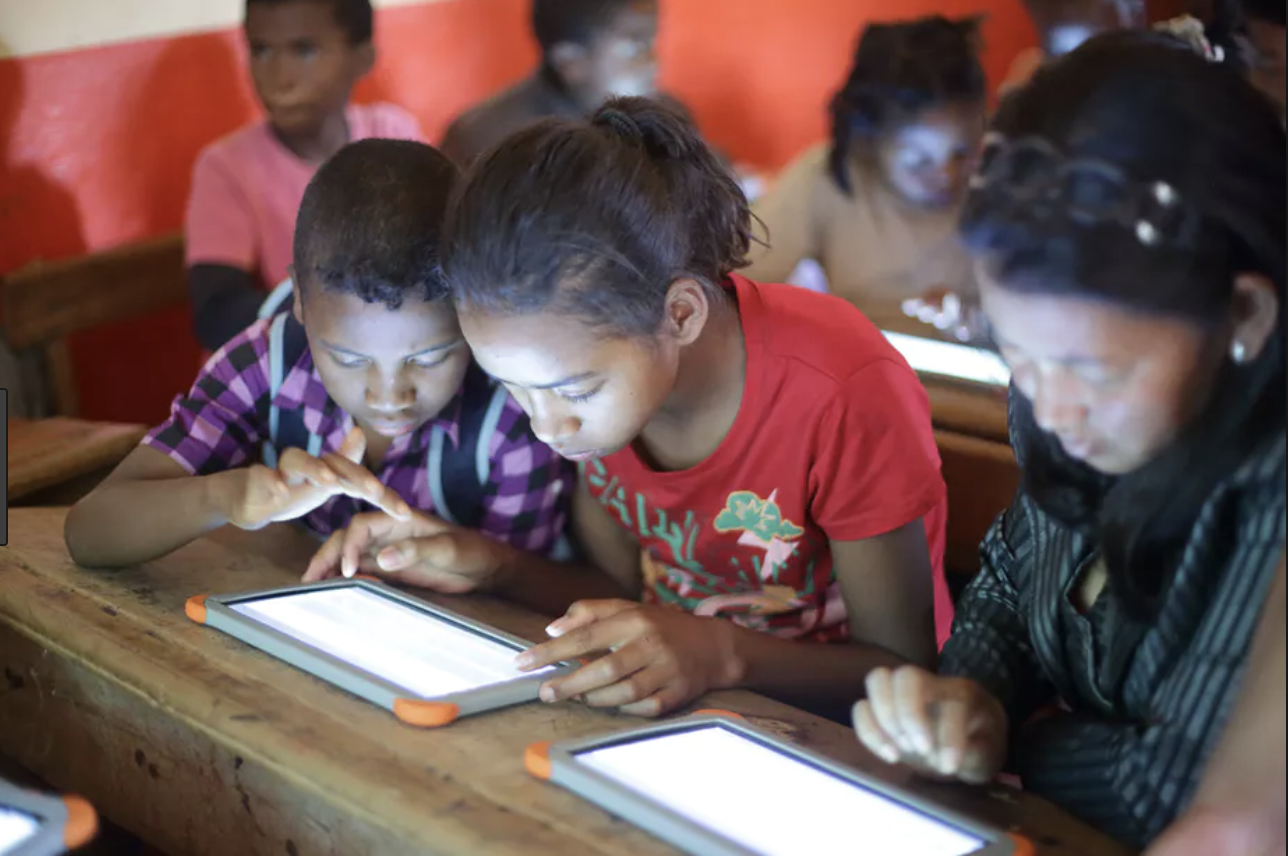
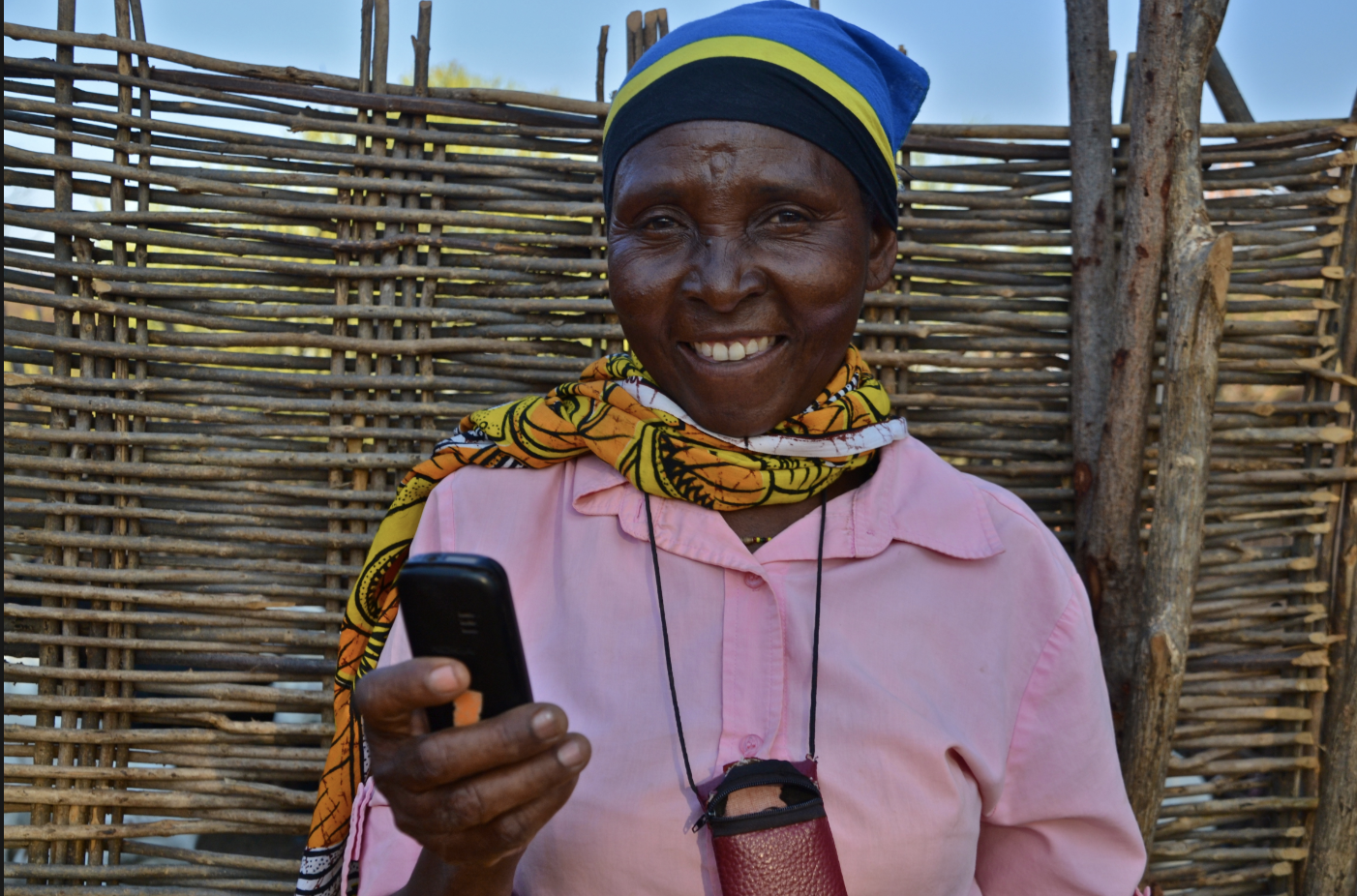
While it’s true that some initiatives and projects have seen great success, there is some criticism for the concept as Poor Economics explained, especially in the realm of digital technology. Continuous digital investments and advancements around the world have brought more jobs, more money, and more growth to countless nations, providing “choice, convenience, access, and opportunity” to impoverished communities worldwide. As the Conservation article explains, digital technology/connectivity and micro-credit success of business ventures often can tie hand in hand, offering people in poor communities more resources and more opportunities to grow their business to success. While poor people around the world are increasingly gaining connectivity and access to these resources, many more are falling behind as they lack this opportunity due to the availability of digital technology. The realization of such a reality drives the World Banks championing of connectivity and the general consensus that an investment in technology is just as essential as other resources in the developing world.






 Case Studies in an Inter/Multicultural World