- Explain the historical background of the Muslim presence in France. Why does the Islamic community lag behind both economically and socially in France? Discuss.
Since France needed labor during military conflicts /economic expansion, Muslims first began arriving to France due to underdevelopment and poverty within their home countries. Arriving around the First World War Muslims were immigrated for industrial/ mining purposes, or served in the French military on a “special native unit”. I think the reason the Islamic community lags behind the France both economically and socially steams from their initial immigrating to this society. The book explains that Muslims were not initially planning on staying in France permanently, but inevitably that was the case. Eventually leading the French to see the Muslims as a burden to their society and in the mind of the French as disrespecting their historical religious ideologies. Since the Islamic community was not viewed as to other French citizens, I believe this has led to the economic and social lag in all aspects within France
- How does the presence of Islam in France cause a challenge to the secular order? Is France’s secularism, or Laïcité, unique? Explain!
Chapter 1 of ‘Islam, Europe’s Second Religion’ describes France’s secularism, or Laïcité as, “morestrict than in other European countries and even has anti-religion dimensions.” (pg. 3) The book described within its introduction that once Islam became more culturally “visible” in France there was a lot of discomfort and anxiety among Europeans. The Europeans had trouble understanding Muslims dietary differences, the head scarves, and their religious rules. To quote the European uncertainties as, “distasteful and a threat to their cultural identity ad values.” Basically stating that Islam’s pure existence in France challenged the secular order! That is so crazy to me.
- Based on your readings and research, why is the headscarf seen by some (many?) as a threat to Western culture?
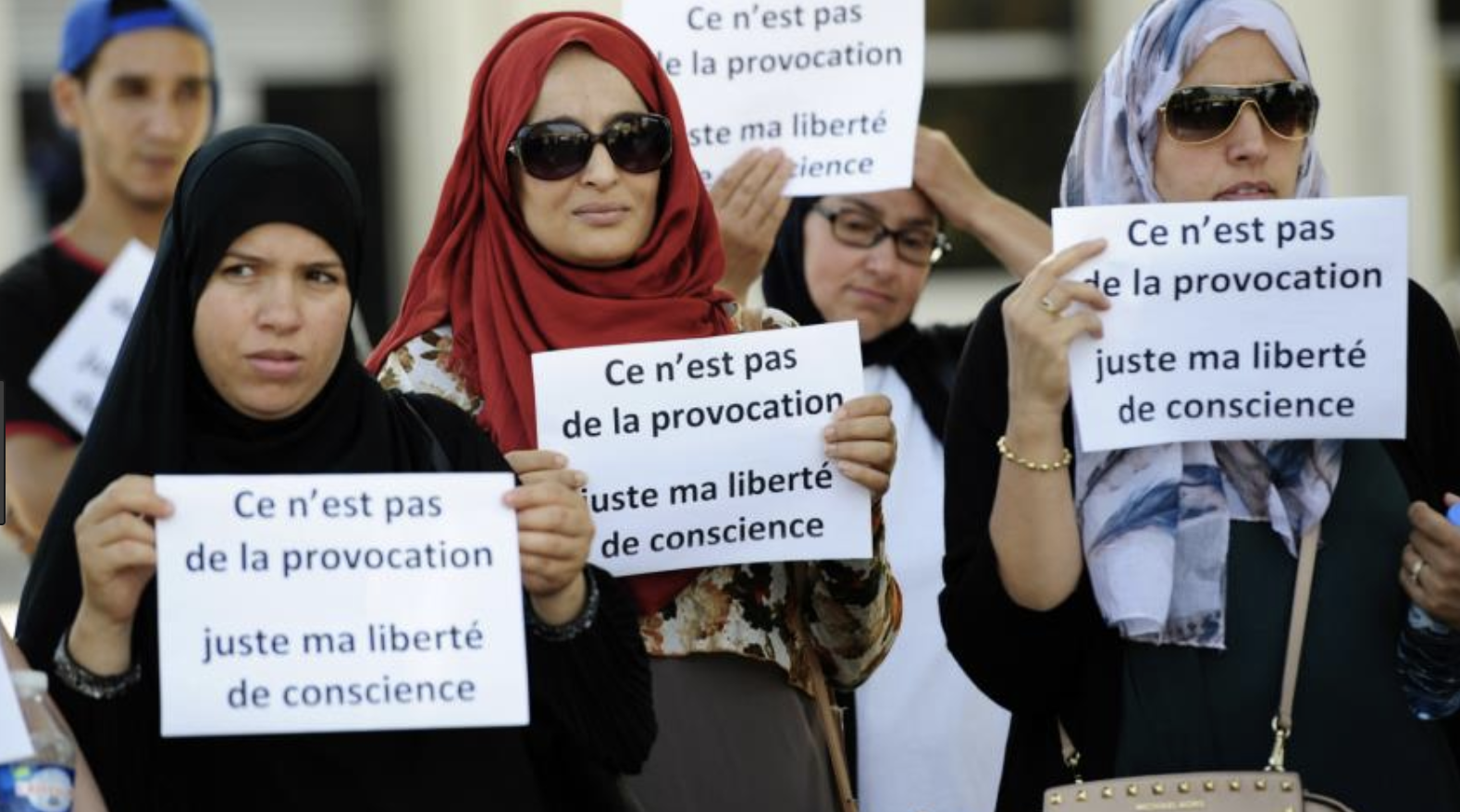
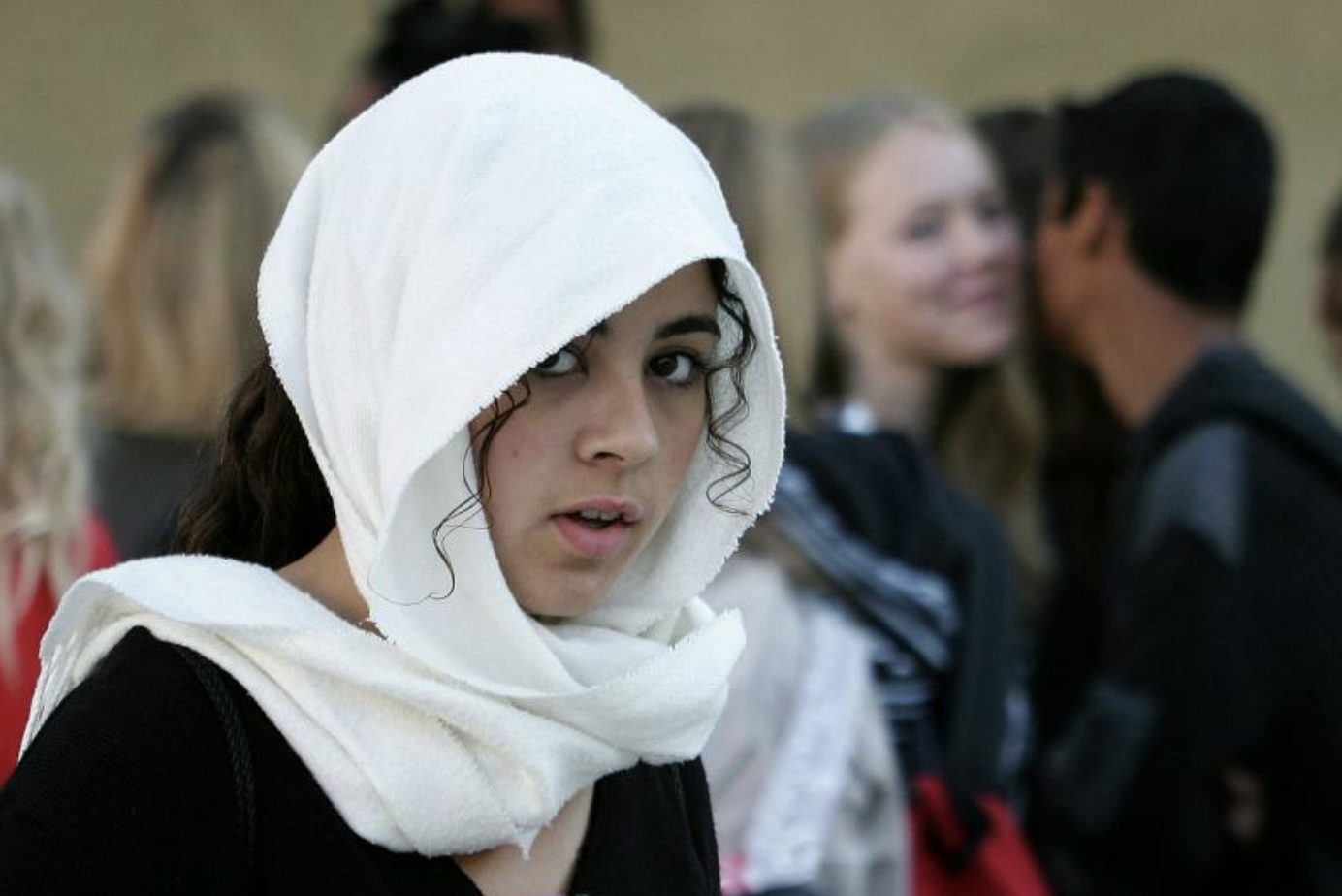
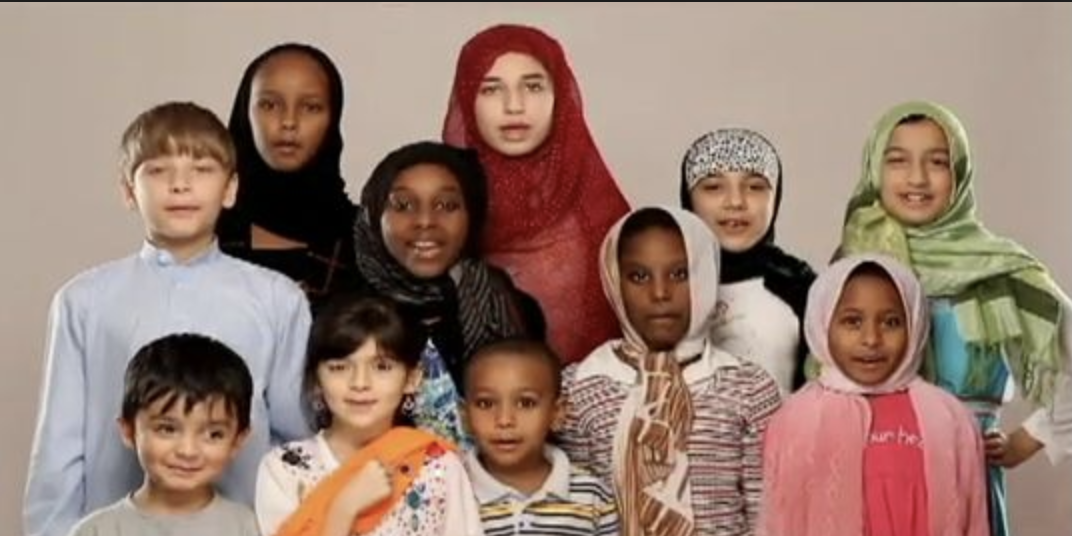
Based on my readings, research and class discussion, I think the headscarf is seen by some (or many) as a threat to Western culture because of the unknown knowledge of its cultural meaning, symbolization, and/or importance. Conducting my own research, ‘The Conversation’ wrote an article describing three reasons some women wear the headscarf are an expression of identity, to maintain modesty, and for fashionable reasons.
Personally I do not see the headscarf as a threat to Western culture, but it saddens me that not everyone within the Western culture has this same mindset. An Islamic wearing a headscarf is equivalent to a Jewish person wearing a yamcha, or a catholic person wearing a cross. It blows my mind that the Western society would even have to have a conversation about a headscarf being a symbol as a threat to our society.
However, I am aware of the correlation these headscarves have had towards the involvement of terrorism and the overall unfortunate prejudice behavior the western culture has towards Muslims. Especially portrayed in Western Media we, as a society, have labeled these headscarves as a threat to Western culture. All in all, I think of the headscarf controversy as personal responsibility, and I pride myself on seeing through the dense media judgment and stereotypes that the Western culture has given this piece of clothing. I have always every individual as a human being and love to learn and educate myself on cultures, ideas, ways of life different than my own. I believe the headscarf is a threat to western culture because not everyone is willing to take the time to learn about its meaning and accept/respect its values within Islamic lifestyle.



 Case Studies in an Inter/Multicultural World